
This week I’m writing to you in between bat mitzvah planning and thermometer checks. One daughter is getting ready for her big day, while the other one is home with the flu. So, I’m toggling between party logistics and cold medicine.
And honestly? It feels a lot like job searching.
Big milestone on the horizon. Lots of waiting. Some things in your control. Some very much not.
Which brings me to this week’s topic. I keep hearing from people who say: “I’ve been interviewing for two months. Is that normal?” “I haven’t heard back in three weeks. Should I be worried?” or, “Why is this taking so long?”
Let’s talk about it.
First: Hiring is a big decision
When an organization hires someone, they’re not just choosing a resume. They’re choosing:
Who will represent the organization externally
Who current staff will collaborate with every day
Who they’ll onboard and train
Who they’re investing time, money, and trust in
Leaders feel that weight. A hire affects team morale, productivity, and budget. Even confident hiring managers get nervous about making the wrong call (and many of us have a wrong call experience we think back to). That caution slows things down.

Second: Everyone is busy
Most hiring managers are doing this on top of their actual jobs. They’re running departments, managing teams, and juggling deadlines. Then add multiple rounds of interviews, coordinating 3–6 decision-makers, doing reference checks, and more.
And because everything is on Zoom, we’re able to get more team members and decision-makers involved in the process. More people means more scheduling, and scheduling alone can stretch things out by weeks.
Long timelines aren’t always a red flag. Often, they’re just reality.
So what’s a “normal” timeline?
Our searches typically run 7-11 weeks. Sometimes faster, sometimes slower. In many nonprofit and mission-driven roles:
6 - 8 weeks is common
8 - 12 weeks isn’t unusual
3+ months can still be within range, especially for senior roles
If it’s been two months, that doesn’t automatically mean you’re out. It usually means the process is moving slower than anyone wants.

The most important rule: Don’t pause your search
Until you have a signed written offer, you are still in job search mode. Keep applying even if you’re in final interviews. Keep networking. Keep interviewing.
You don’t want all your hope tied to a single hiring process.
What to do while you wait
If you’re doing this right, you are not just refreshing your inbox. You’re:
1. Continuing to network. This can look like:
Talking to 5–8 people per week
Following up with people you met 2–3 weeks ago and 5-6 weeks ago (Stay at the top of their inboxes to stay top of mind…)
Expanding your network intentionally
Deepening relationships, not just collecting contacts
2. Strengthening weak spots. If you keep seeing “project management software” or “budget oversight” or “data analysis” in job descriptions and you don’t feel confident there — start building that muscle. Take a short course. Watch tutorials. Volunteer for something that gets you a new skill. Turn waiting time into leverage.
3. Practicing your stories. Refine your interview answers. Tighten your examples. Make your impact clearer and more measurable. Do a practice run with a friend. Great storytelling wins offers. Use this time to sharpen yours.
4. Managing your mindset. Waiting can feel personal. Most of the time, it isn’t.
Overall, slow hiring does not equal rejection. Silence does not equal failure. A delayed decision does not mean you weren’t strong. Often, it simply means organizations are moving carefully.
Stay in motion. Focus on what you can control. Build while you wait. You’ll be ready when the right offer comes.

Executive Director @ Vote Rev | Remote, slight preference for Los Angeles | $250K-$300K
Director of Research & Analysis @ Freedom Together Foundation | NYC | $240K-$260K
Grants & Contracts Manager @ The Water Foundation | Remote in PST Timezone) | $93K-$104K
Director of Institutional Giving @ Treehouse Foundation | Northeast Remote | $100K-$110K
Executive Director @ United Working Families | Chicago | $95K-$105K
Development Director @ Vital Impacts | Remote | $120K
Development Director @ PowerSwitch Action | Remote | $91K-$114K
Campaign Director @ Pramila for Congress | Remote, Seattle Preferred | $110K-$120K
Development Manager @ Protecting Immigrant Families Coalition | Remote | $90K-$100K
Policy & Advocacy Director @ Protecting Immigrant Families Coalition | Remote in DC | $120K-$130K
Media Director @ Working America | DC | $155K+
Climate Director @ Private Equity Stakeholder Project | Remote | $105K-$120K
Healthcare Director @ Private Equity Stakeholder Project | Remote | $105K-$120K
Senior Counsel for Family Defense & Strategic Litigation @ Mother’s Outreach Network | DC | $120K-$125K
Social Justice Program Manager @ UTEC | Lowell, MA | $65K
That’s not all! We’re hiring for additional jobs and you can see all of them on the NRG website.
Networking Workshop
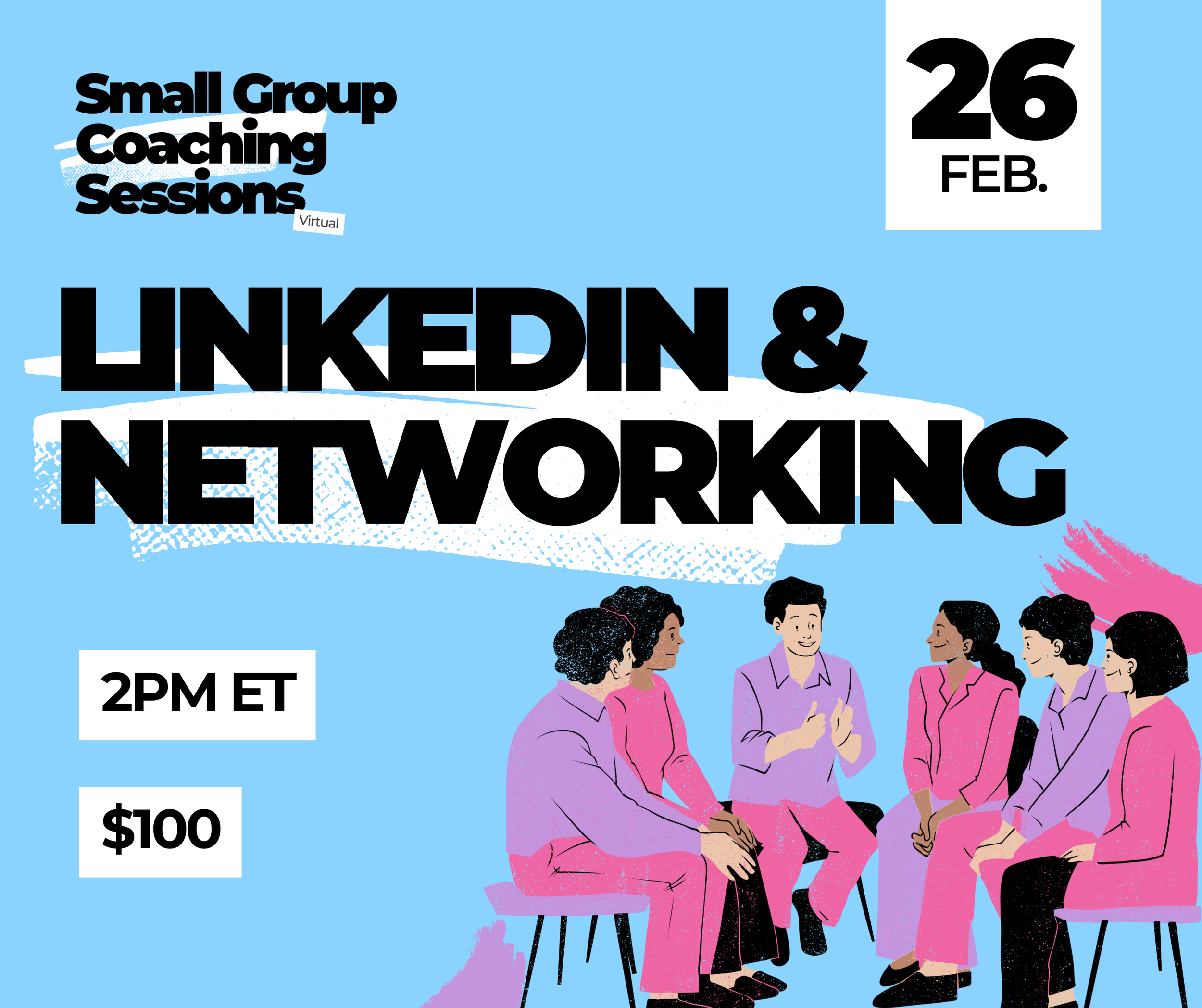
How can I use LinkedIn to help me get my next role? What’s the best way to network strategically? I’ve been waiting forever to hear back on my application - how do I maintain momentum?
If you have these questions, or want to sharpen your networking skills, join our LinkedIn and Networking Small Group Coaching session on 2/26, 2-3 pm ET. Cost is $100, 50% off of our individual coaching price.
📢 Follow NRG on LinkedIn to stay up to date on the roles we’re hiring for.
📬 Not a member of the NRG Talent Network yet? Fill out a quick form and let us know you're thinking about your next role.
Let’s move,
Naomi
P.S. If you’d like a partner to help you with your job search strategy, learn how NRG’s coaching programs can help you.
If you find this newsletter helpful, forward it to your friends and help us build our network! If you received this from a friend, sign up here to receive future “Get Hired'' newsletters.